In modern household management, fiscal discipline often deteriorates not through massive single commitments, but via friction-free minor outflows that disperse capital unnoticed. Establishing consistent sovereignty over household resources demands an intentional framework rather than passive observation. By structuring expenditures proactively, individuals eliminate reliance on guesswork, align immediate choices with broad strategic objectives, and foster long-term stability.
1 Core Objectives and Psychology Behind Proactive Budget Allocation
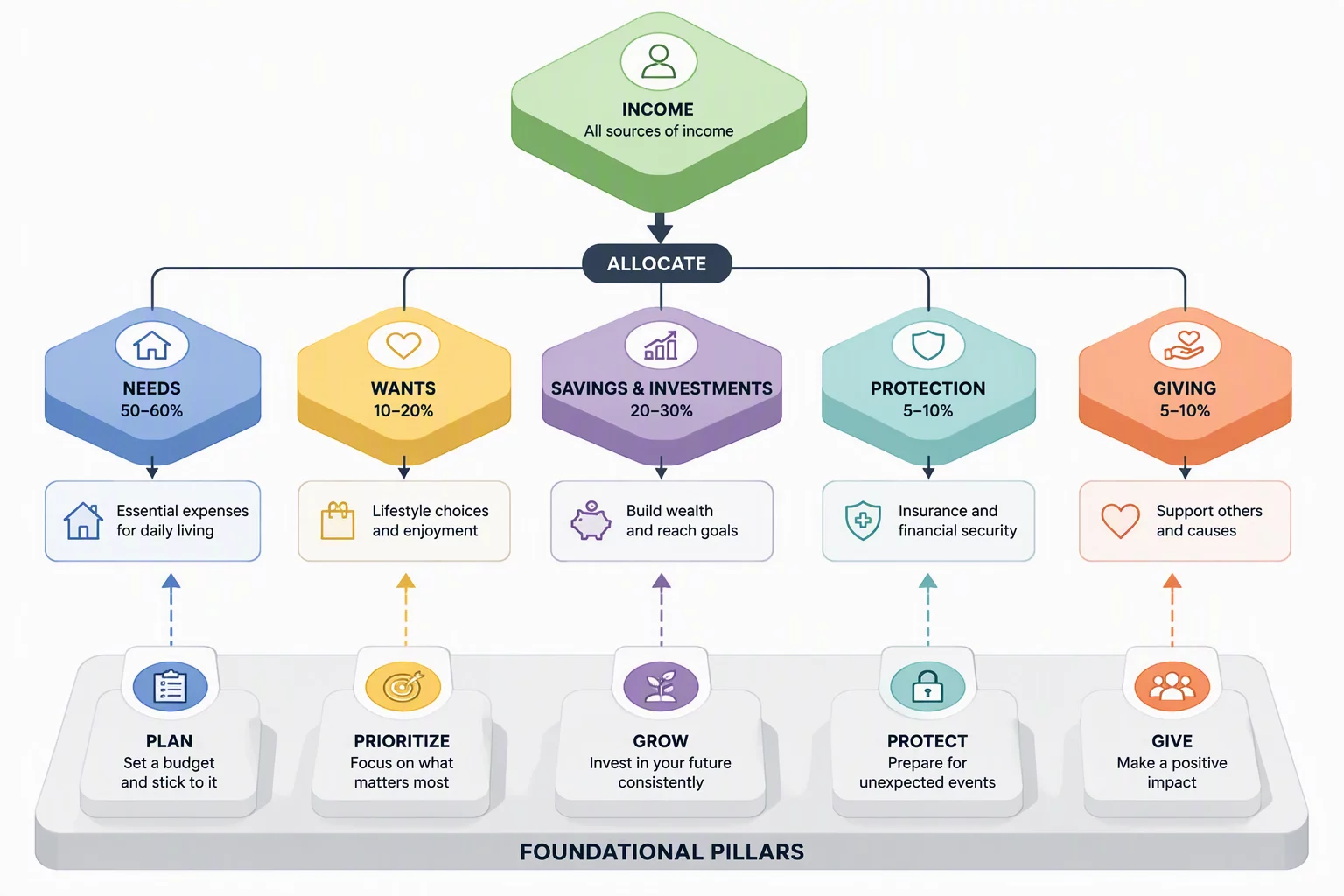
The transition from reactive tracking to proactive allocation is fundamentally a psychological transformation. Traditional tracking reviews historical transactions post-execution, which generates retrospective regret without modifying behavioral triggers. In contrast, assigning every anticipated unit of capital to designated roles before disbursement creates clear intentionality.
Cognitive load diminishes significantly when expenditure limits are predetermined. Instead of negotiating purchasing decisions in real time amid emotional fatigue, consumers consult established limits. This deliberate friction transforms impulse into conscious consideration, ensuring that essential obligations, savings reserves, and discretionary allowances remain balanced without compromising personal priorities.
2 The Micro-Expense Trap: Why Minor Daily Purchases Slip Under the Radar
Modern commercial infrastructure is meticulously engineered to minimize transactional awareness. Contactless taps, digital wallets, and frictionless checkouts obscure the tangible perception of outlays. Consequently, minor recurring expenses such as convenience beverages, digital micro-services, and ad-hoc meal deliveries accumulate into substantial monthly drains.
Because single purchases appear insignificant individually, the human brain categorizes them as negligible risk events. Over thirty days, dozens of minor transactions produce an aggregate deficit that undermines core targets. Rigorous pre-planning counteracts this leakage by defining rigid category caps, compelling consumers to evaluate whether continuous convenience justifies substantial cumulative costs.
Key Takeaway: The Principle of Pre-Allocation
When resources receive predetermined assignments prior to calendar initiation, discretionary impulses are bounded by deliberate boundaries rather than momentary willpower.
3 Protocols for Systematically Logging Recurring Obligations
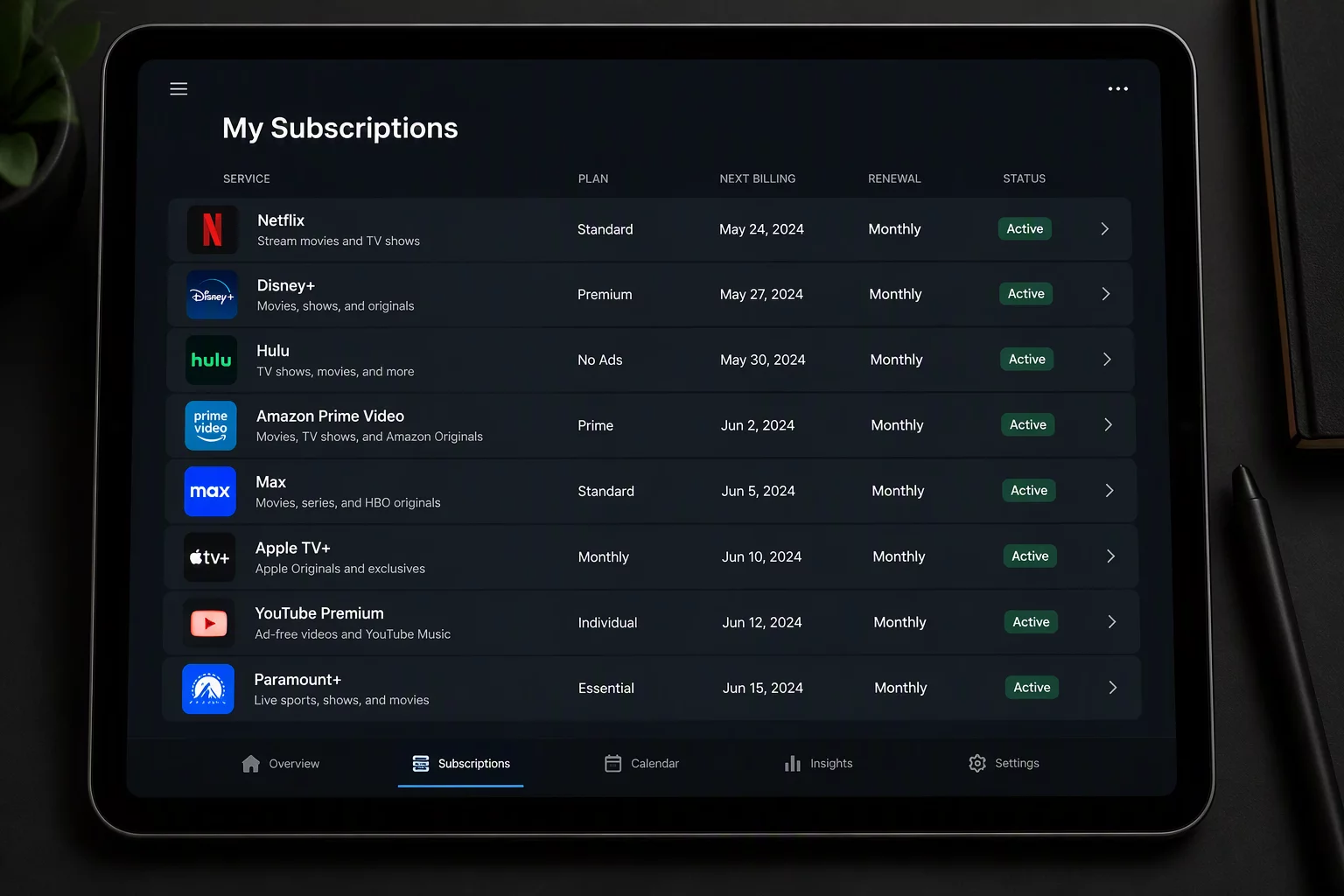
Fixed recurring outflows represent the foundation of any household architecture. These include residential leases, utility grid payments, insurance obligations, connectivity plans, and subscription bundles. While predictable, recurring commitments present vulnerabilities when distributed across varied billing dates throughout the calendar.
An effective protocol entails consolidating every fixed obligation into a centralized operational registry categorized by settlement cadence. Establishing dedicated sub-accounts for fixed commitments separates necessary overhead from discretionary funds. This structural separation guarantees that mandatory household obligations remain protected regardless of variable daily transactions.
4 Variance Analysis: Reconciling Planned Forecasts with Actual Outflows
Deliberate planning is incomplete without routine comparative analysis. Variance analysis compares original projections against empirical reality at scheduled intervals. Discrepancies reveal operational miscalculations, seasonal price variations, or unforeseen lifestyle changes.
Systematic variance identification prevents small deviations from snowballing into chronic shortfalls. When a category exhibits persistent negative variance, households must diagnose root causes: was the initial estimate unrealistically stringent, or did lifestyle inflation occur? Dispassionate data analysis replaces intuition with actionable clarity, guiding structural corrections.
Proactive Regimes
Targets determined beforehand, expenditures measured against predefined caps, dynamic adjustment based on empirical variance analysis.
Reactive Regimes
Spending dictated by momentary account balances, post-facto transaction scanning, persistent surprise at month-end discrepancies.
5 Systematic Principles for Periodic Monthly Budget Adjustments
A resilient budget is a flexible tool, not a static constraint. Rigid financial designs inevitably fail when confronted with unavoidable lifecycle unpredictability. Effective governance incorporates an iterative review cadence at the conclusion of each monthly cycle.
During this review, households reallocate surplus balances toward secondary stability reserves, recalibrate expanding variable categories, and adjust for upcoming seasonal anomalies such holiday travel or annual maintenance. By treating financial plans as evolving blueprints, households sustain structural control while gracefully accommodating real-world fluctuations.
Summary Conclusion
Sustained oversight of everyday finances is an active operational discipline. By acknowledging behavioral pitfalls, insulating fixed requirements, tracking systematic variances, and iterating monthly structures, households establish durable financial resilience.